
15 maio How gambling shapes local economies and community dynamics
How gambling shapes local economies and community dynamics
The Economic Impact of Gambling
Gambling has a profound effect on local economies, particularly in areas where casinos and gaming establishments thrive. By generating significant tax revenue, these venues contribute to public coffers, which can be utilized for infrastructure improvements, education, and healthcare services. For instance, cities with legalized gambling often report increased funding for schools and hospitals, as the tax revenues provide a necessary boost to these essential services. For an exciting online gaming experience, many players turn to DonBet Casino, which offers a vast selection of games.
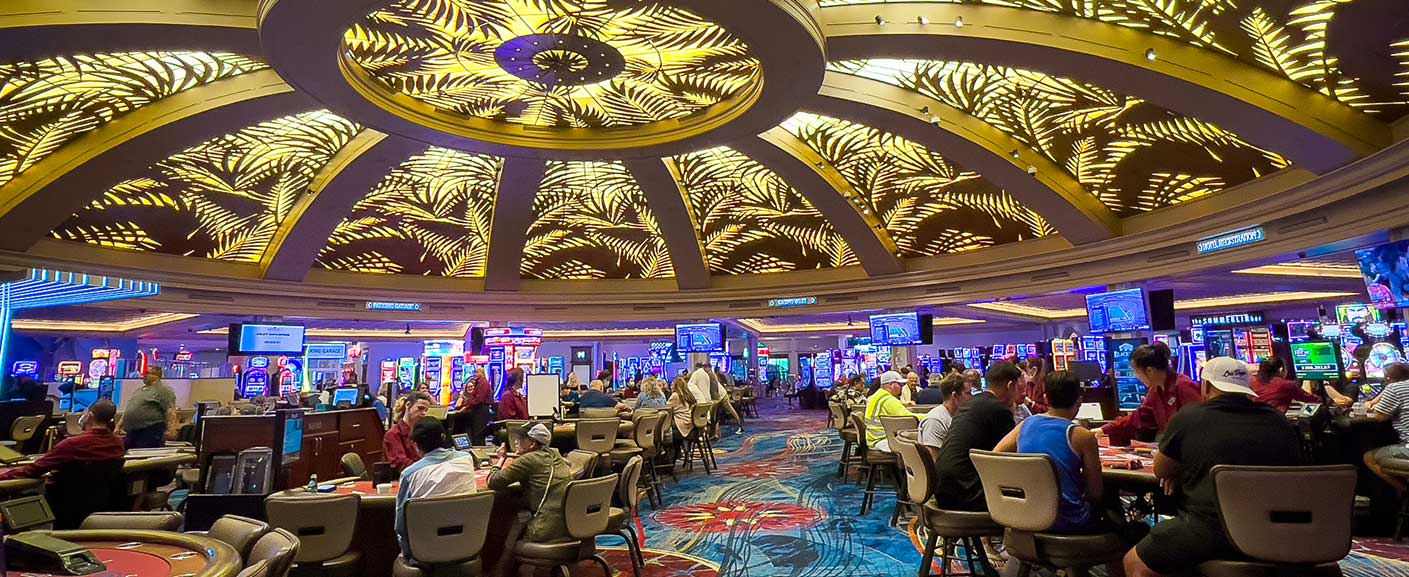
Moreover, gambling establishments create thousands of jobs, both directly within the casinos and indirectly through related sectors such as hospitality, retail, and transportation. This job creation not only offers employment opportunities but also stimulates local economies as employees spend their earnings within the community. When a casino opens in a town, the ripple effect of job creation extends beyond the gambling floor, benefiting local businesses and promoting overall economic growth.
Additionally, gambling can attract tourism, which further enhances local economic conditions. Tourists flock to gambling destinations, bringing additional revenue that supports hotels, restaurants, and entertainment venues. This influx of visitors can significantly elevate a community’s economic profile, transforming previously underdeveloped areas into bustling economic hubs. The synergy between gambling and tourism can lead to sustained growth and improved community dynamics.
Social Dynamics and Community Transformation
The presence of gambling establishments often alters social dynamics within communities. While casinos can stimulate economic activity, they can also lead to increased social challenges, including gambling addiction and crime. Local governments frequently implement programs to address these issues, aiming to strike a balance between economic benefits and social responsibility. Community awareness campaigns are essential for educating residents about the risks associated with gambling.
Casinos also foster a sense of community engagement, bringing people together through entertainment and social interaction. Many gaming venues offer events, live shows, and promotional activities that can enhance community spirit. By hosting local events, casinos provide a platform for residents to gather, interact, and celebrate, helping to forge connections that strengthen community bonds.
However, the transformation is not always positive. Neighborhoods surrounding casinos may experience gentrification, with rising property values pushing out long-standing residents. As new businesses emerge to cater to the influx of tourists and gamblers, some local establishments may struggle to compete. The challenge for communities is to manage these changes in a way that preserves their unique character while embracing the economic opportunities presented by gambling.
The Role of Regulation in Gambling Industry Growth
The regulation of gambling plays a crucial role in shaping the local economies impacted by this industry. Effective regulation can ensure that gambling establishments operate ethically and contribute positively to the community. Regulatory bodies can implement strict guidelines regarding advertising, responsible gaming practices, and the distribution of gambling revenues. Such measures not only protect consumers but also enhance the reputation of the gaming industry.
Moreover, regulation can help mitigate the negative aspects associated with gambling, including addiction and crime. By enforcing responsible gambling measures, such as self-exclusion programs and counseling services, regulators can reduce the incidence of gambling-related harm. Communities benefit when they have access to resources that support individuals who may be struggling with addiction, promoting a healthier social environment.
Finally, transparent regulation can attract investment in the gambling sector, encouraging both national and international operators to consider establishing facilities in local markets. This can lead to increased competition, enhancing the quality of services offered and potentially leading to lower prices for consumers. A well-regulated gambling environment can ultimately foster sustainable growth and improve community dynamics.
Cultural Shifts and Community Identity
As gambling establishments become more prominent in local economies, they can also influence cultural shifts within communities. The normalization of gambling can alter perceptions, transforming it from a taboo subject into a mainstream activity. This cultural change may lead to increased acceptance of gambling as a form of entertainment, thereby reshaping community identity and values over time.
Casinos often become landmarks in their communities, representing more than just gaming opportunities; they embody economic progress and modernization. As such, they can foster a new community identity centered around leisure, tourism, and economic vitality. Festivals and events hosted by casinos can celebrate this new identity, incorporating local traditions and bringing residents together.
However, as cultural attitudes towards gambling evolve, there can be tensions between differing perspectives. Some community members may embrace the changes, while others may resist them, leading to debates over the social implications of gambling expansion. This dynamic interplay between acceptance and resistance can shape community discourse and influence local policies, highlighting the importance of inclusive dialogue in community decision-making processes.

Conclusion: The Future of Gambling in Community Dynamics
The future of gambling in shaping local economies and community dynamics will depend on various factors, including regulation, public perception, and economic trends. As more regions consider legalizing or expanding gambling, understanding its multifaceted impact will be essential for informed decision-making. Local governments must prioritize community engagement to ensure that the benefits of gambling are maximized while minimizing potential harms.
Moreover, as the gambling landscape evolves with advancements in technology and shifts in consumer behavior, businesses and local authorities will need to adapt. Online gambling, for instance, presents both opportunities and challenges for local economies, necessitating a reevaluation of traditional approaches to regulation and community support. Collaboration between stakeholders will be vital to navigate these changes effectively.
In this context, understanding the local nuances and cultural attitudes toward gambling will be paramount for fostering positive community dynamics. As gambling continues to play a significant role in economic development, proactive measures can ensure that it enhances rather than detracts from the quality of life in local communities.